Anne Boleyn
second wife of Henry VIII of England
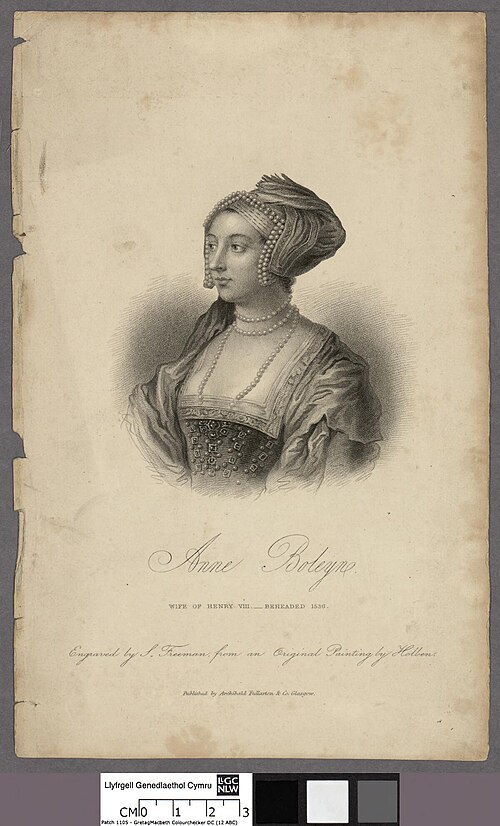
Photo by: Samuel Freeman · Public Domain · Wikimedia Commons
Born:January 1, 1501
Died:May 29, 1536
Age at death:35
Manner of death:Capital Punishment
Cause of death:Decapitation
Zodiac Sign:Capricorn
Born in:Blickling Hall, United Kingdom
Buried in:United Kingdom
Languages:English, French
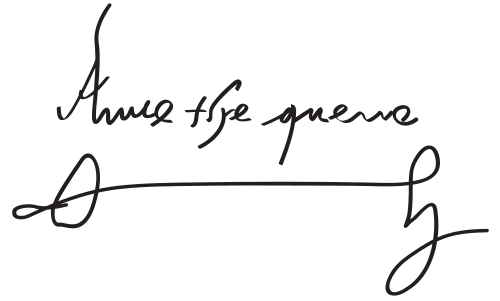
Signature
Related People
Photo credits (3)
- Anne Boleyn:
Photo by: Samuel Freeman · Public Domain · Wikimedia Commons
- Henry VIII of England:
Photo by: Hans Holbein the Younger · Public Domain · Wikimedia Commons
- Elizabeth I of England:
Photo by: Unknown author · Public Domain · Wikimedia Commons
Links
Anne Boleyn
second wife of Henry VIII of England
Biography
This biography uses content from the Wikipedia article “Anne Boleyn”, available under the Creative Commons Attribution-ShareAlike 4.0 License.
Quotes
“Good Christian People, I have not come here to preach a sermon; I have come here to die.”
— Before her execution, May 19th, 1536, Blastmilk, "Anne Boleyn: The Midnight Crow, 1501-1536", [published on] September 18, 2006
“If it ever lay in my power, I will work the Cardinal as much displeasure as he has done to me”
— About her dislike of Cardinal Wolsey, "Anne Bleyn", quote under section "Anne Boleyn and Henry Percy", The Tudors
“I heard the executioner was very good. And I have a little old creaky neck.”
— On her executioner, Blastmilk, "Anne Boleyn: The Midnight Crow, 1501-1536", [published on] September 18, 2006
Quotes sourced from the Wikiquote article "Anne Boleyn", available under the Creative Commons Attribution-ShareAlike 4.0 License.
Photos
A portrait from the Welsh Portrait Collection at the National Library of Wales. Depicted person: Anne Boleyn – second wife of Henry VIII of England (died 1536)
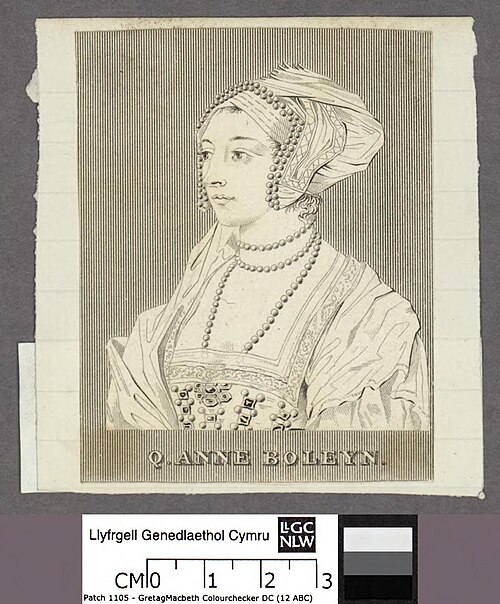
A portrait from the Welsh Portrait Collection at the National Library of Wales. Depicted person: Anne Boleyn – second wife of Henry VIII of England (died 1536)
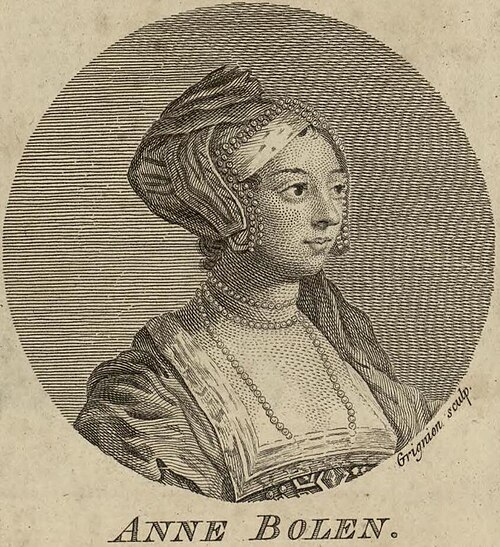
A portrait from the Welsh Portrait Collection at the National Library of Wales. Depicted person: Anne Boleyn – second wife of Henry VIII of England (died 1536)
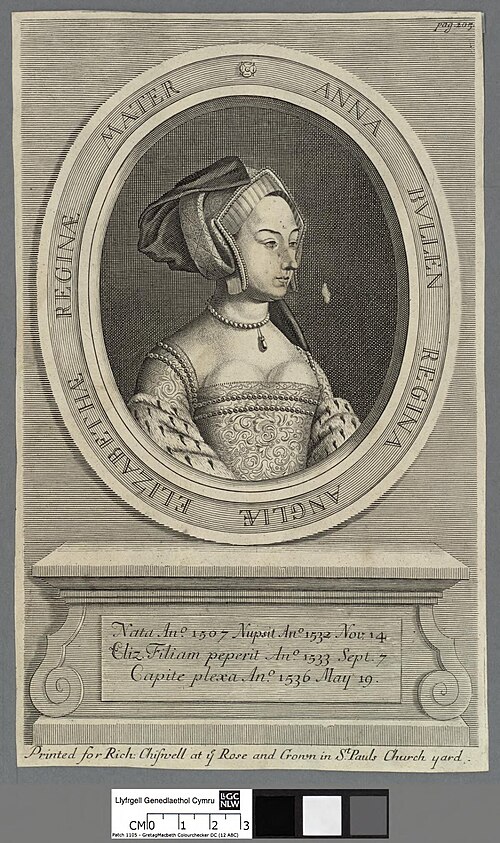
A portrait from the Welsh Portrait Collection at the National Library of Wales. Depicted person: Anne Boleyn – second wife of Henry VIII of England (died 1536)
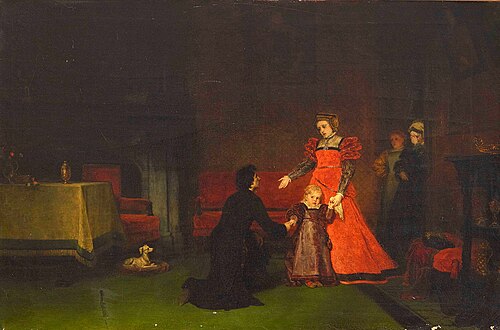
Anne Boleyn
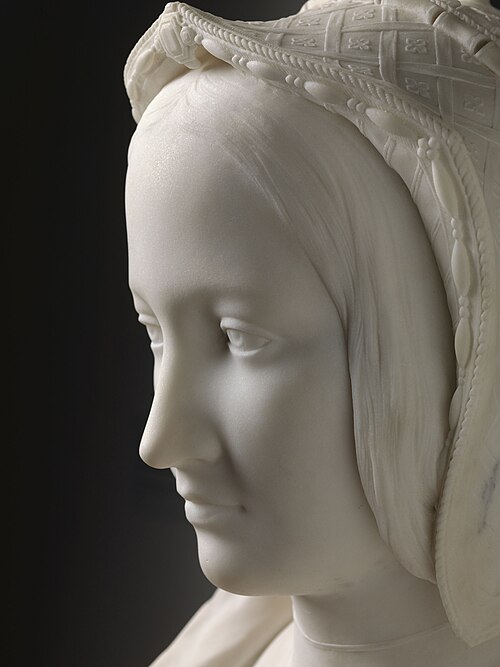
Bust of Anne Boleyn, by Pierre Puyenbroeck.
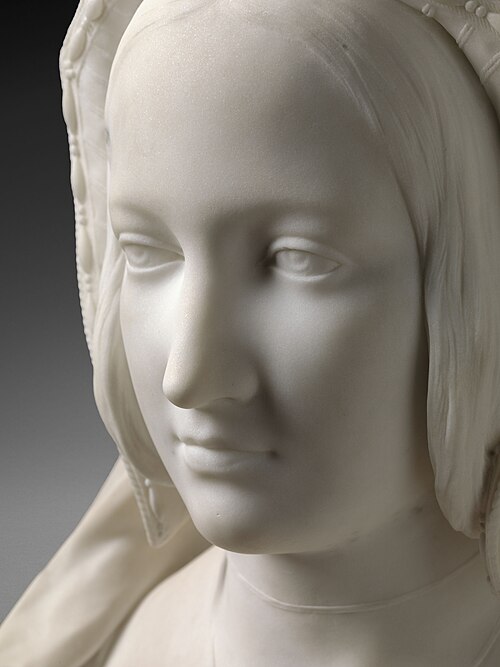
Bust of Anne Boleyn, by Pierre Puyenbroeck.
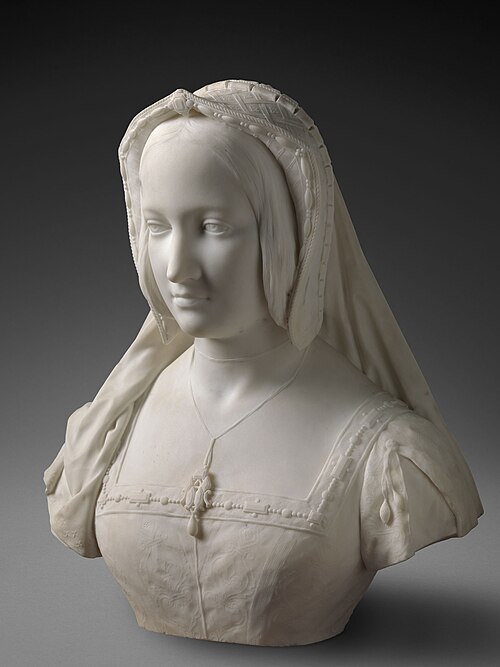
Bust of Anne Boleyn, by Pierre Puyenbroeck.
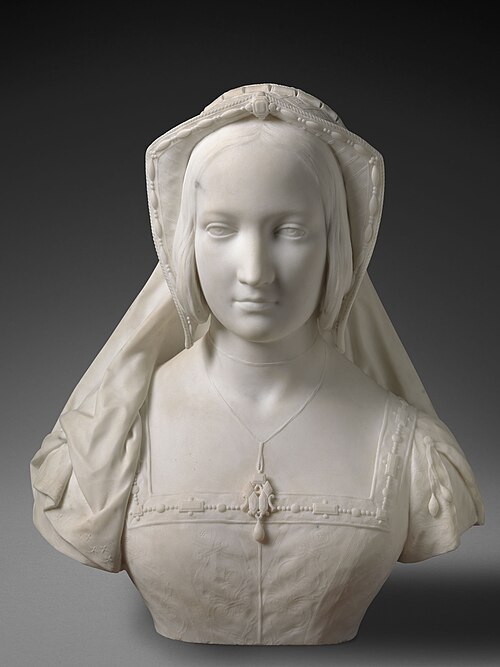
Bust of Anne Boleyn, by Pierre Puyenbroeck.
Questions and answers about Anne Boleyn
Who was Anne Boleyn?
Anne Boleyn was a second wife of Henry VIII of England.
When was Anne Boleyn born?
Anne Boleyn was born on January 1, 1501.
When and how did Anne Boleyn die?
Anne Boleyn died on May 29, 1536, at the age of 35. Cause of death: decapitation.
Where was Anne Boleyn born?
Anne Boleyn was born in Blickling Hall, United Kingdom.
What was Anne Boleyn known for?
Anne Boleyn was known for work as: composer, lady-in-waiting, aristocrat.
Who was Anne Boleyn married to?
Anne Boleyn was married to Henry VIII of England.